
Understanding Godspeed Pieces Everyday Styling Ideas
How Godspeed Compares to Rival Street Fashion Brands: Landing On the Best-Fit Brand for You
Streetwear in 2026 is packed with noise. Month after month arrives another drop, another logo, another label claiming to speak for a generation. Cutting through that clutter, Godspeed has carved out a distinct identity built on meaning rather than just merchandise. Before you choose where to spend, it’s worth understanding what differentiates a brand with a godspeed clothing guiding vision from a brand with just a print file. This article breaks down what Godspeed is really about, how it measures against its streetwear rivals, and how to determine which one suits your wardrobe and your values.
Deciding on a street-style brand goes beyond the graphic on the front. It’s about fit, material heft, how long it lasts, and whether the garment stays current two years down the line. We’ll break down the practical differences so you can arrive at a choice that’s rooted in real value instead of just buzz.
What Is Godspeed , Really?
Because the name bears resonance beyond fashion, the question “what is Godspeed” surfaces frequently. Godspeed’s meaning goes back centuries — it’s an expression offered to wish someone a secure and prosperous trip, typically spoken at the outset of an uncertain or challenging endeavor. Rather than a marketing afterthought, that sentiment forms the brand’s backbone.
Godspeed clothing converts that idea of support and momentum into everyday garments: Godspeed shirt styles, godspeed hoodies, and essential layers made for people who see putting together an outfit as one thread in a broader personal journey. Rather than following fleeting trend waves, the label commits to a message that stays relevant whatever the season’s fads are.
A good number of streetwear labels build their identity around limited drops or celebrity endorsements by themselves — which is why this matters when comparing brands. Godspeed’s angle is another story entirely — the name itself is the message, which gives every godspeed tee comes with a inherent reason for being beyond mere decoration. Such a stance is a telling distinction in 2026, when buyers are warier of empty hype than ever.
Making sense of this origin also explains why such a large number of shoppers look up “godspeed meaning” before purchasing. They are looking for the meaning underneath the garment, more than just the item by itself.
How Godspeed’s Approach Holds Its Own Against Other Streetwear Labels
Most streetwear brands land in one of three categories: hype-centric logo labels, minimalist basics brands, or message-driven labels that weave a story into every piece. Godspeed belongs clearly to that third group, among a small cluster of competing brands, but the execution differs in fabric choice, fit philosophy, and where it sits on price.
Brands built around logos commonly stoke hype through aftermarket premiums and capped runs, which can lead to price points disconnected from what production actually costs. Minimalist basics brands stake their claim primarily via fabric quality and cut, often at elevated pricing tiers with barely any brand meaning woven in. Godspeed carves out the middle path: branding with substance minus the manufactured hype tactics, paired with garments built for everyday use rather than shelf display.
Silhouette is a second point of distinction. Whereas some labels chase solely oversized cuts, the brand’s shirts and hoodies are made to accommodate varied body shapes and style tastes, from relaxed streetwear layering to slightly more fitted casualwear. That flexibility is a practical advantage for customers who want one hoodie that works for gym-to-street transitions rather than a specialized cut that only works one way.
| Category | Godspeed | Scarcity-Focused Brands | Stripped-Back Essentials Brands |
|---|---|---|---|
| Core identity | Message-focused (“godspeed” as a word of support) | Scarcity and celebrity influence | Clean aesthetics and material quality |
| Typical price positioning | Moderate | Elevated, frequently pushed up by resale | High-end |
| Drop frequency | Steady drops with a consistent voice | Restricted drops engineered around hype | Seasonal, understated |
| Flagship items | Godspeed shirt paired with godspeed hoodie | Logo-heavy tees and collab releases | Core tees and simple hoodies |
| How well the design ages | High, as the sentiment stays timeless | Inconsistent, tied to passing trends | High, yet with a weaker emotional tie |
The Godspeed Shirt: What Makes It Different
A godspeed shirt is more than a surface for lettering. The lettering style, placement, and composition as a whole are crafted to express momentum and encouragement in an understated way. This holding-back is deliberate — the brand relies on the words themselves to make an impact rather than dressing it up with unnecessary imagery.
Set that against labels where the garment’s main purpose is displaying an oversized logo. Godspeed shirts tend to lean on negative space on purpose, giving the phrase or symbol room to breathe rather than overwhelming the garment. That design restraint often ages better, since supersized logos can look outdated after a year or so while restrained type design has more staying power.
Fabric-wise, shoppers should always check weight and composition on the specific product page before purchasing, since such specifics differ across styles and seasons. What stays consistent across the godspeed shirts lineup is the guiding idea: pieces meant to be worn often, rather than kept aside for one photo-worthy outfit.
Here’s where “god speed clothing” as a search term starts to matter — buyers are on the hunt for pieces that come across as intentional instead of merely ornamental, and such behavior points to a broader 2026 shift toward brands with genuine depth.
The Godspeed Hoodie vs Competitor Hoodies
Hoodies rank as the backbone of most street-style rotations, and the godspeed hoodie is positioned as a go-to layering essential rather than a statement-only item. This sets it apart from labels where the hoodie exists chiefly as a marker of hype, carrying a steep price tag due to a name instead of because of construction.
Three elements carry the most weight when comparing hoodies across brands: weight (lightweight for layering vs heavy enough to wear alone), fit (boxy oversized vs slim-cut), and how long the print holds up. Godspeed leans toward multi-season usefulness — a hoodie that works worn beneath a jacket when it’s cold and on its own when it’s warmer, instead of something built for only one use case.
Competitor hype brands often prioritize a particular shape locked to a passing trend, which can mean the piece ages poorly when the cycle moves on. Basics-focused minimalist labels, on the other hand, may deliver top-tier material but omit a real emotional connection, leaving the hoodie reading as interchangeable despite otherwise decent build quality.
Bridging that gap is what Godspeed’s hoodies attempt: functional enough for daily rotation, yet carrying a message that makes it the preferred pick over a plain alternative. For anyone curating a 2026 capsule wardrobe, this balance lowers the urge to keep swapping pieces out in pursuit of the next trend.
Pricing, Value, and Durability Over Time
Cost per wear matters more than the initial price in streetwear. A mid-range shirt worn fifty times delivers better value than a hyped shirt worn only five times before losing its appeal. Here is where message-driven brands like Godspeed tend to beat out hype labels over time.
Since costs shift with material sourcing and demand, always check current pricing directly on the brand’s product pages. What buyers can reasonably expect from Godspeed is pricing set to remain approachable compared with premium minimalist labels, without slipping into disposable-fashion territory where quality is sacrificed entirely for low cost.
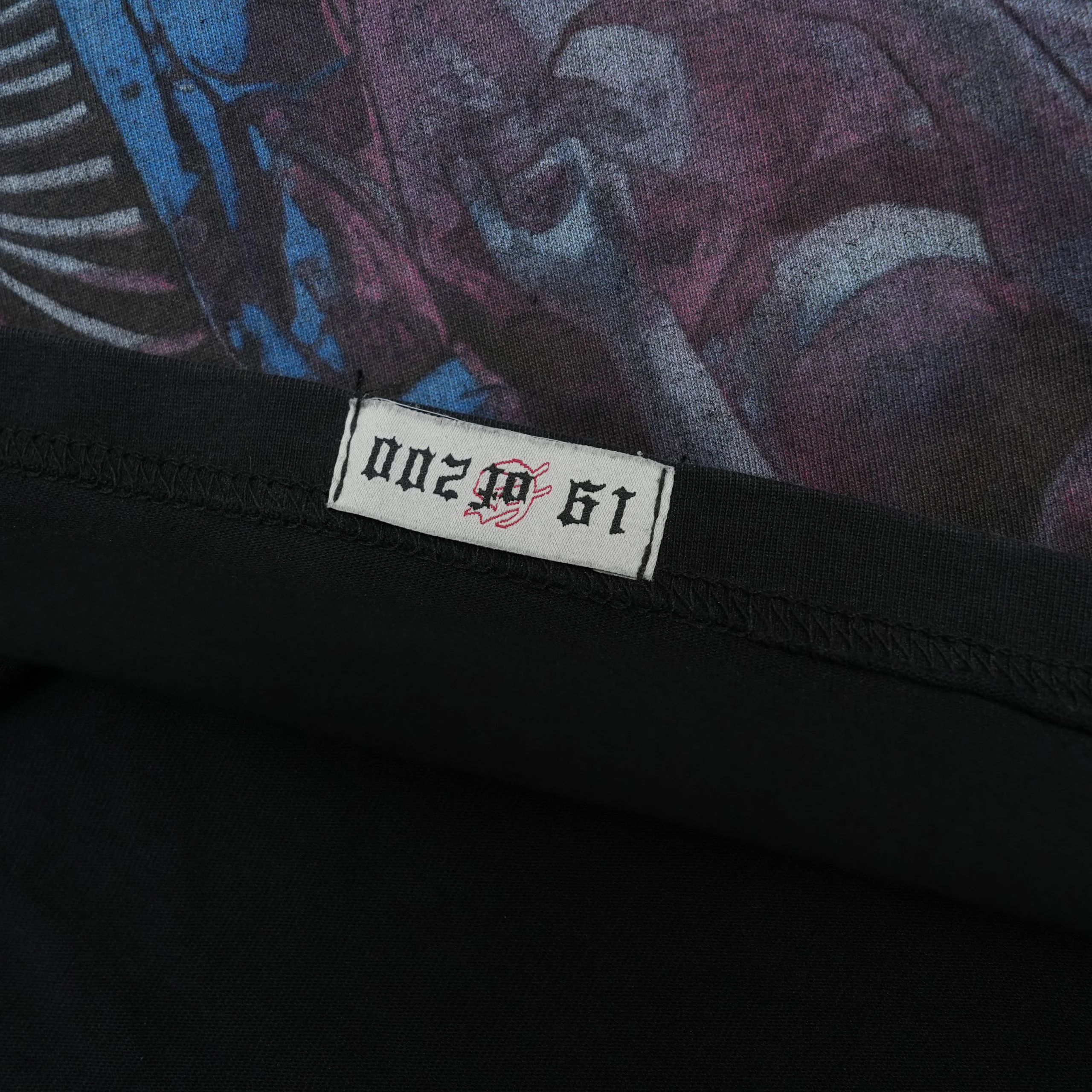
How long a piece stays wearable also comes down to design relevance. A phrase like “godspeed” doesn’t have an expiration date unlike a meme-driven graphic, which means pieces purchased in 2026 have a reasonable chance of still feeling wearable in 2028 and beyond. That’s worth weighing for buyers weary of refreshing their wardrobe with every passing trend.
Across any streetwear brand, guaranteeing resale value proves difficult; still, pieces with a clear, consistent brand identity tend to hold interest longer in secondhand markets — rather than one-off graphic drops — precisely because the message stays clear and meaningful.
Finding the Brand That’s Right for You
Kick off with intent. If what you’re seeking is clothing that reflects a personal outlook — resilience, forward drive, encouragement — a message-driven label like Godspeed will resonate more than a strictly logo-centric brand. Should your focus be on built-to-last basics with understated logos, a pared-back label might serve you better despite the higher price tag.
Consider your wardrobe’s current gaps. If you’re missing a versatile hoodie that layers well and doesn’t scream a specific trend year, the godspeed hoodie is worth trying. If you want a shirt with a phrase that means something rather than just filling space, a godspeed shirt fits that need directly.
How frequently you really shop is worth considering. Godspeed and comparable labels suit those who prefer building a leaner, more intentional wardrobe rotation, whereas shoppers committed to hype labels frequently chase scarce releases more than once a month.
Finally, consider how the brand’s narrative lands with you at a personal level. Godspeed clothing works because those words holds genuine, age-old significance — an expression of hope for protection and prosperity. Should that align with where you are in life right now, it’s more than a shirt; it’s a small daily reminder. That sense of resonance, more than any technical detail alone, is often the real deciding factor between one streetwear brand versus the next.


